Learn the optimal schedule for plumbing inspections in Bay Area homes and why timing matters for preventing expensive emergencies.
Summary:
The standard recommendation is every two years for most homes. But that’s just a starting point.
Your home’s age, plumbing materials, and local conditions matter more than generic timelines. Bay Area homes built before 1980 often have cast iron or galvanized pipes that need annual attention. Newer homes with PEX or copper can usually go two to three years between comprehensive inspections.
If you’ve got an ADU, underground plumbing, or you’re dealing with our clay soil conditions, you’re looking at more frequent check-ups. The cost of an inspection versus the cost of emergency excavation isn’t even close.
Older Bay Area homes need more attention, period. If your house was built before 1980, you’re likely dealing with cast iron sewer lines that are approaching or past their expected lifespan.
Cast iron pipes typically last 50-75 years, but Bay Area soil conditions can accelerate deterioration. We’ve seen 40-year-old cast iron lines that are completely shot, and others that are still solid at 60 years. The only way to know is regular inspection with a sewer camera.
Galvanized supply lines are another red flag in older homes. These pipes corrode from the inside out, gradually restricting water flow until you’re dealing with low pressure throughout the house. If you’re noticing reduced water pressure or discolored water, don’t wait for your next scheduled inspection.
Homes with polybutylene pipes (installed mainly in the 1980s and early 1990s) need immediate attention. These pipes are prone to sudden failure and most insurance companies won’t cover damage from polybutylene pipe failures. If you’re not sure what type of pipes you have, that’s exactly why you need a professional inspection.
For newer construction, PEX and copper plumbing systems are much more reliable, but they’re not maintenance-free. Even quality materials can fail due to poor installation, shifting foundations, or tree root intrusion into sewer lines.
Don’t wait for your scheduled inspection if you’re seeing warning signs. Slow drains throughout the house usually indicate a main sewer line issue, not just a clogged sink.
Water pressure changes are another early indicator. If your shower pressure has gradually decreased over months, you might have pipe corrosion or a developing blockage. Sudden pressure changes can indicate a pipe break or major blockage.
Watch your water bill. An unexplained increase often means you have a leak somewhere in the system. Underground leaks are particularly expensive because they can run for months before you notice them, and they can undermine your foundation or damage landscaping.
Strange sounds from your plumbing deserve attention. Gurgling drains, banging pipes, or running water sounds when no fixtures are in use all indicate problems that won’t fix themselves. We’ve seen homeowners ignore these signs for years, turning a $200 repair into a $5,000 excavation project.
Tree roots are a major issue in the Bay Area. If you have large trees near your sewer line, you need more frequent inspections. Roots can completely block sewer lines, and the damage often requires excavation and pipe replacement. Regular camera inspections can catch root intrusion early when it’s still manageable with mechanical cleaning.
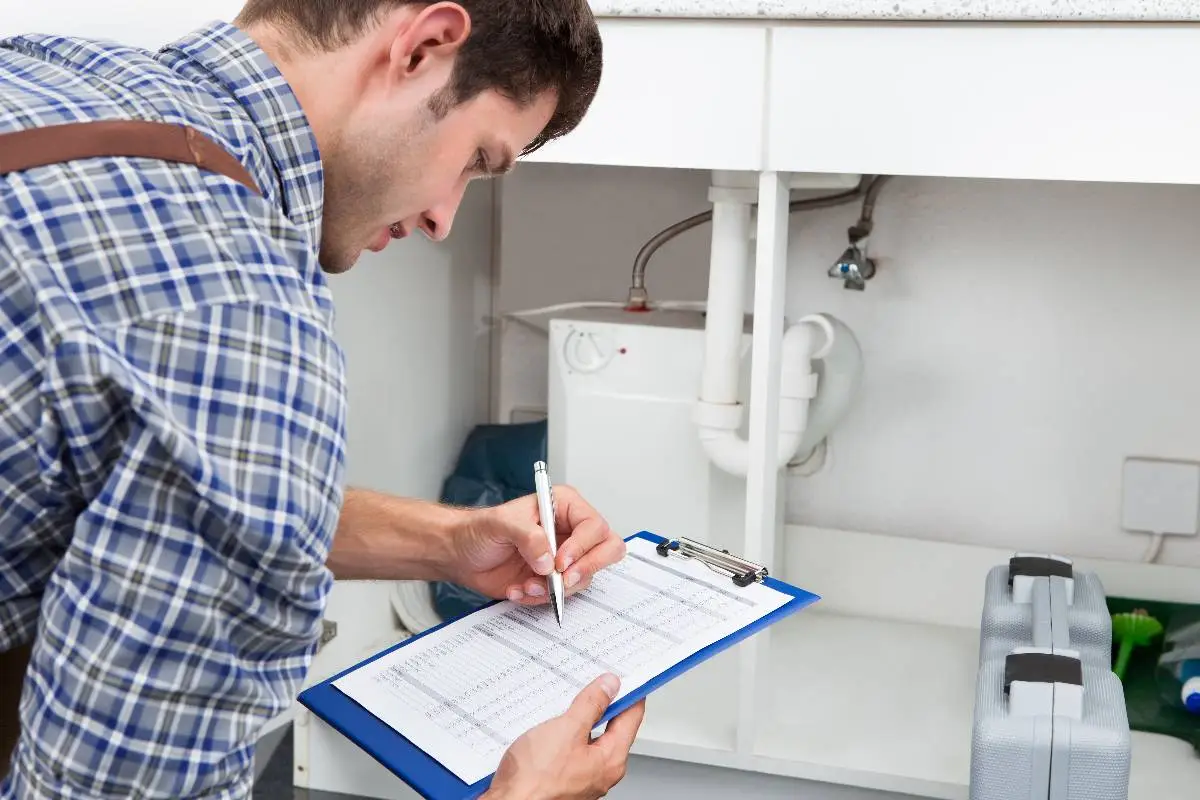
A real plumbing inspection goes far beyond running water and flushing toilets. We use specialized equipment to see inside your pipes and identify problems before they become emergencies.
The inspection starts with your main sewer line. We run a camera through the entire line to check for cracks, blockages, root intrusion, and pipe deterioration. This isn’t something you can DIY – it requires professional equipment and experience to interpret what the camera shows.
Your supply lines get pressure tested to identify leaks and check for proper water pressure throughout the system. We also inspect all visible plumbing connections, fixtures, and appliances for signs of wear or improper installation.
Camera inspection is the most valuable part of any plumbing inspection, especially in the Bay Area where older sewer lines and tree roots create ongoing challenges.
The camera shows us exactly what’s happening inside your sewer line. We can see developing cracks before they become major breaks, root intrusion before it completely blocks the line, and pipe deterioration before it requires emergency replacement.
This is particularly important for Bay Area homes because our clay soil shifts with wet and dry seasons, putting stress on underground pipes. We can identify sections of pipe that are starting to separate or crack due to soil movement, allowing you to plan for repairs before you’re dealing with sewage backup in your basement.
Tree roots are another major concern. Bay Area’s mature trees are beautiful, but their roots aggressively seek water sources. Sewer lines provide both water and nutrients, making them prime targets. Camera inspection can show us early root intrusion when it can still be cleared mechanically, rather than waiting until the roots have damaged the pipe structure.
For homes with ADUs or recent additions, camera inspection verifies that new plumbing connections were done properly and aren’t creating problems for your main sewer line. We’ve seen poorly installed ADU plumbing that creates backup issues for the entire property.
Water pressure testing reveals problems that aren’t obvious during daily use. We test pressure at multiple points throughout your home to identify restrictions, leaks, and supply line issues.
Low water pressure might seem like a minor annoyance, but it often indicates serious problems. Corroded galvanized pipes, partially blocked supply lines, or developing leaks all show up as pressure issues before they become major failures.
We also test your main water line from the street to your house. This underground section is your responsibility as a homeowner, and problems here can be expensive to repair. Early detection through pressure testing can identify issues before you’re dealing with a complete line failure.
Hot water system inspection is crucial for Bay Area homes. We check your water heater, expansion tank, and hot water circulation systems. Earthquake safety strapping, proper venting, and code compliance are all part of the inspection. Many Bay Area homes have water heaters that aren’t properly secured for seismic activity, which creates both safety and insurance issues.
For homes with well water or private water systems, we test the entire system from the well pump through your home’s distribution. These systems require more frequent attention than city water connections, and problems can affect both water quality and system reliability.
Regular plumbing inspections aren’t about finding work to do – they’re about giving you control over your home’s maintenance timeline and budget. Most Bay Area homeowners benefit from inspections every two years, with annual inspections for older homes or those with known issues.
The cost of an inspection is minimal compared to emergency repairs, especially when you factor in the premium you pay for after-hours service and the limited options you have when you need immediate help. When you plan ahead, you can get multiple estimates, schedule work at your convenience, and avoid the stress of plumbing emergencies.
If you’re dealing with high estimates from other contractors or want a second opinion on recommended work, we specialize in providing fair, transparent assessments for Bay Area homeowners. We focus on complex projects and honest evaluations, not upselling unnecessary services.
Continue learning:
 call today