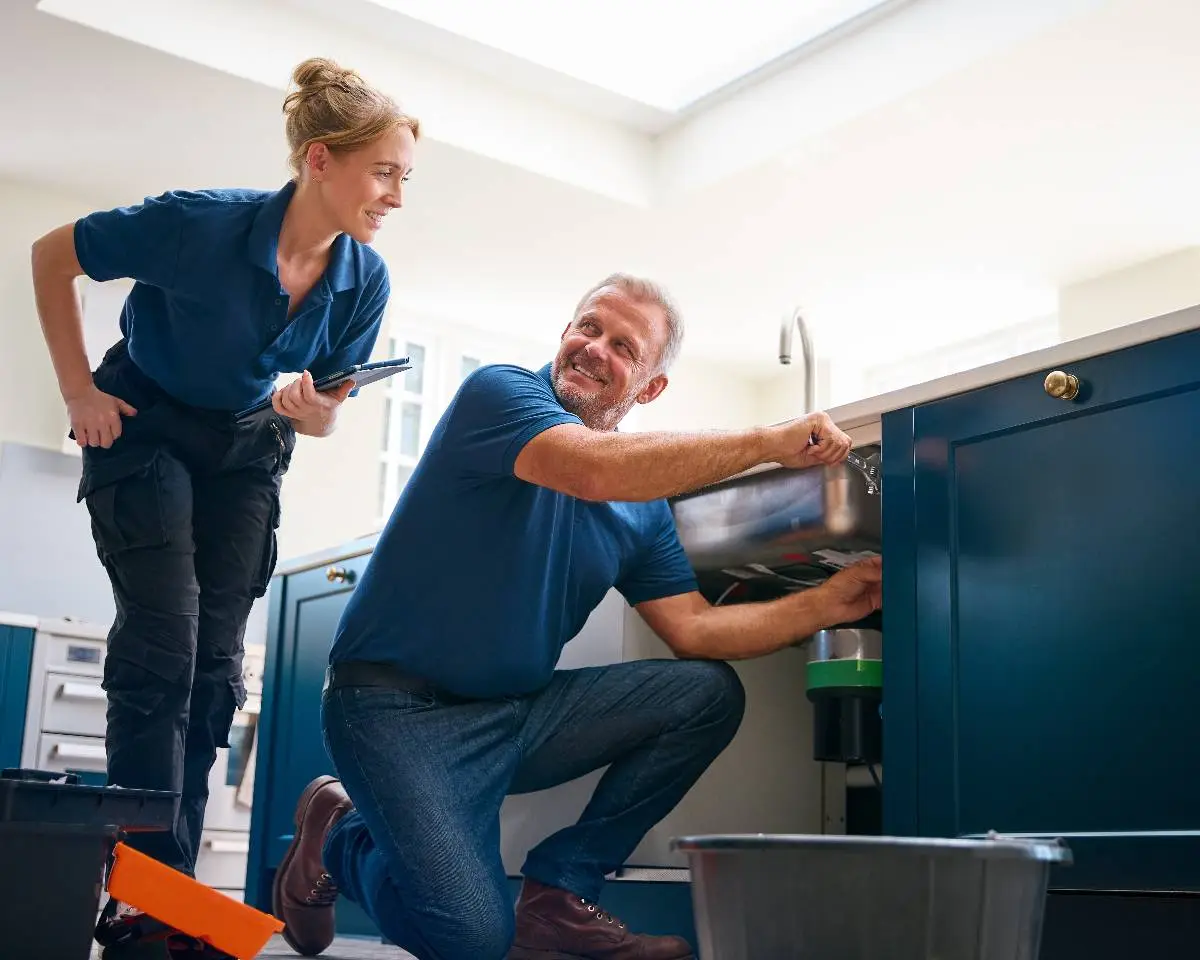
Discover the key warning signs that indicate your Bay Area home's plumbing pipes need replacement and what to expect from the process.

Summary:
Some plumbing problems are fixable with a wrench and an afternoon. Others are your house telling you that decades-old infrastructure is finally giving up.
The difference matters because pipe replacement is a significant investment. You want to be sure you’re solving the right problem before you start digging up your yard or opening walls.
Your water shouldn’t look like iced tea or smell like a swimming pool. When it does, your pipes are usually the culprit.
Rusty or brown water typically means your iron pipes are corroding from the inside out. This isn’t something you can fix with a filter or by running the water longer. Once iron pipes start rusting through, that corrosion spreads throughout your system.
Metallic-tasting water often points to the same issue. You’re literally tasting your pipes dissolving into your drinking water. Not exactly what you want in your morning coffee.
White or cloudy water might seem less alarming, but it can indicate mineral buildup that’s restricting water flow throughout your system. In Bay Area homes, hard water accelerates this process, especially in older copper or galvanized steel pipes.
Strange smells are another red flag. That rotten egg odor isn’t just unpleasant – it can signal bacterial growth in your pipes or reactions between your water and deteriorating pipe materials. Either way, it’s not something you want to ignore.
The key here is consistency. If these problems happen occasionally, you might have a localized issue. If they’re becoming your new normal, your pipes are probably telling you they’re done.
Low water pressure drives people crazy, but it’s also one of the most reliable indicators that your pipes need attention. The question is whether you need full replacement or targeted repairs.
If your water pressure has gradually decreased over months or years, you’re probably dealing with buildup inside your pipes. Mineral deposits, corrosion, and debris accumulate over time, essentially shrinking the diameter of your pipes from the inside.
This is especially common in Bay Area homes built before 1980. The combination of our hard water and older pipe materials creates the perfect storm for internal buildup. You can try to clear individual sections, but if it’s happening throughout your house, replacement often makes more sense than playing whack-a-mole with clogs.
Sudden pressure drops are different. These usually point to leaks, breaks, or specific blockages that might be repairable without full replacement. But here’s the thing – if you’re getting sudden pressure drops regularly, your pipes are probably failing in multiple places.
Pay attention to pressure patterns too. If your kitchen has great pressure but your bathroom feels like a trickle, you might have localized problems. If pressure is consistently weak throughout the house, especially during peak usage times, your main lines are probably the issue.
Water pressure problems also compound other issues. Low pressure means longer fill times, more wear on your fixtures, and higher water bills as you wait for adequate flow. Sometimes replacing pipes actually saves money in the long run.
Replacing plumbing pipes isn’t like swapping out a faucet. It’s a major project that affects your entire house, and in the Bay Area, it comes with unique challenges you won’t face in other parts of the country.
Understanding what’s actually involved helps you make better decisions about timing, contractors, and whether full replacement makes sense for your situation.
Most Bay Area homes need some combination of underground work and interior access to replace their main plumbing lines. This isn’t a weekend DIY project – it requires specialized equipment and expertise.
The underground portion typically involves excavating around your home’s foundation to access the main sewer line and water supply connections. In Santa Clara County, this means dealing with clay soil, potential tree root interference, and strict permit requirements. You need contractors with proper excavation equipment, not just basic plumbing tools.
Interior work varies depending on your home’s layout and pipe accessibility. Some pipes run through crawl spaces or basements where replacement is relatively straightforward. Others are buried in walls or concrete slabs, requiring more extensive work to access and replace.
The process usually starts with a thorough inspection using camera equipment to identify exactly which sections need replacement. This helps prevent unnecessary work and helps you understand whether you need full replacement or can get away with targeted repairs.
Timing matters too. Pipe replacement typically takes several days to complete, during which your water service will be interrupted periodically. Planning around your family’s schedule and having temporary arrangements for essential water needs makes the process much smoother.
Bay Area contractors also need to coordinate with local utilities and obtain proper permits before starting work. This isn’t just bureaucracy – it ensures the work meets current codes and won’t cause problems when you sell your home later.
Not every plumber handles pipe replacement projects. This type of work requires specialized equipment, excavation experience, and familiarity with local permit processes that many general plumbing contractors don’t have.
Look for contractors who own their excavation equipment rather than renting it for your project. This usually indicates they regularly handle underground work and have invested in doing it properly. Rented equipment often means higher costs and less familiarity with the tools needed for your project.
Experience with your specific type of project matters too. If you’re adding an ADU or dealing with complex underground layouts, you want contractors who have handled similar situations. Generic plumbing experience doesn’t always translate to expertise with major infrastructure projects.
Get multiple estimates, but understand what you’re comparing. The lowest bid might skip important steps or use inferior materials. The highest bid might include unnecessary work. Look for contractors who explain what they’re doing and why, not just what it costs.
Pay attention to how contractors handle the estimate process. Reputable contractors will inspect your current system thoroughly before giving you a price. Anyone who quotes major pipe replacement without seeing your actual pipes is probably not someone you want handling the work.
References matter more for major projects than routine repairs. Ask to speak with customers who had similar work done, not just general plumbing service calls. You want to know how the contractor handled disruptions, cleanup, and any unexpected issues that came up during the project.
Pipe replacement is one of those home investments you never want to make but sometimes can’t avoid. The key is knowing when you’re actually at that point versus when targeted repairs make more sense.
Trust the warning signs your house is giving you, but get a second opinion if the first estimate feels excessive. Sometimes the difference between a fair price and price gouging is simply finding a contractor who specializes in the work you need.
If you’re dealing with pipe problems and want a straightforward assessment of your options, we provide honest second opinions for Bay Area homeowners who want to make informed decisions about their plumbing investments.
Continue learning:
 call today